BCCK’s Success with Repeat Business – How the Company Keeps and Nurtures its Clients

Q&A with Amy Ontiveroz, Director of Project Management, Midland, TX
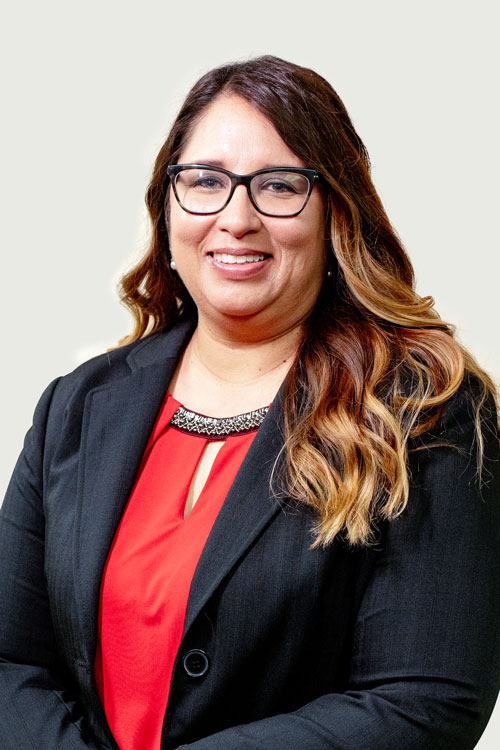
Amy Ontiveroz, Director of Project Management

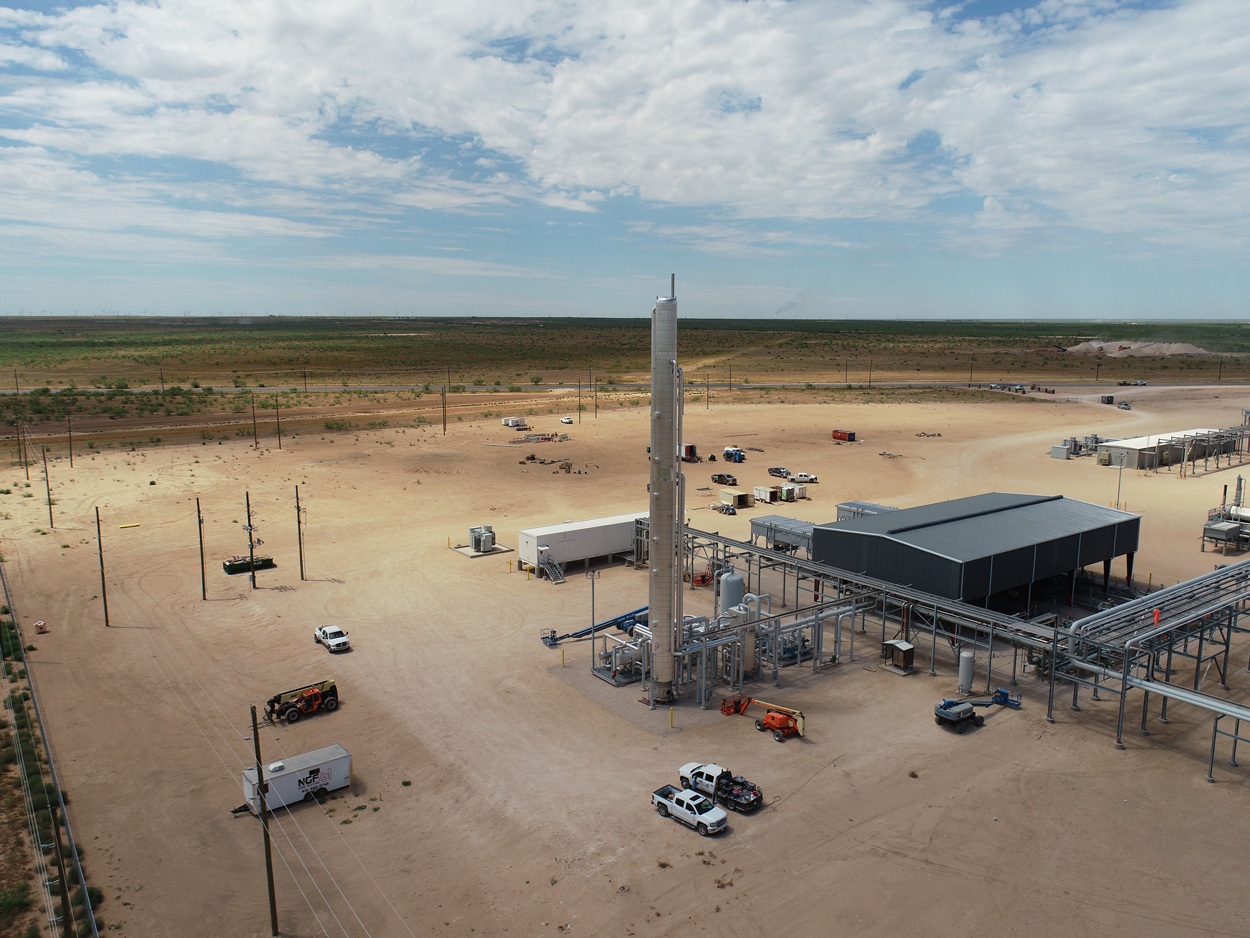
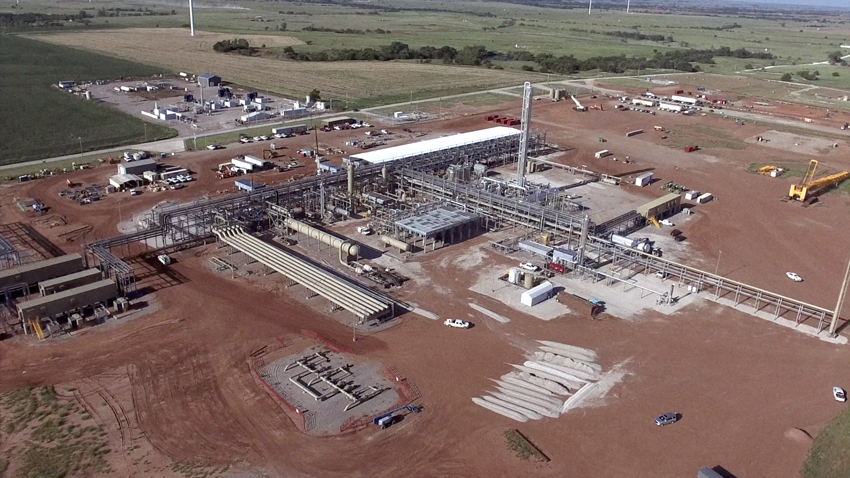
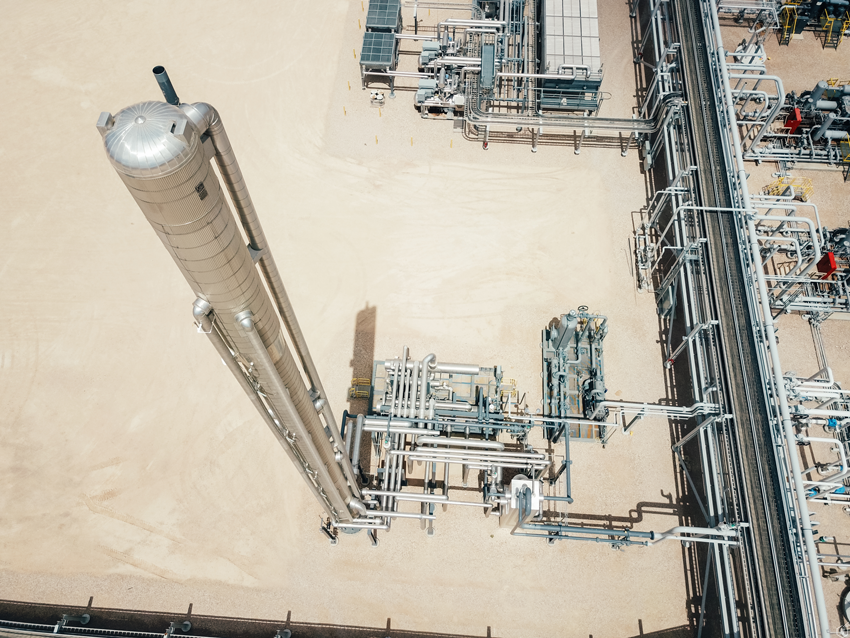
BCCK has been awarded numerous contracts recently for its patented NiTech® Nitrogen Rejection Units (NRUs) – many of which were designed for the same customer. Their newest project award, the NiTech® Style Dual Tower NRU to be located in West Texas, utilizes cutting-edge technology to extract nitrogen from the residue gas of a cryogenic gas processing facility. This project award is testament to the trust and confidence that clients place in BCCK’s expertise to deliver exceptional results.

Amy Ontiveroz, BCCK’s Director of Project Management, explains why BCCK is successful in repeat business and shares her perspective on why customers continue to choose BCCK.

“Project transparency coupled with a steadfast commitment to customer service is the cornerstone of successful projects as well as fostering repeat customers. Working with a repeat customer is a testament to BCCK’s proven technology and the quality and performance we deliver with every project.”

Whether it’s open communication and transparency, innovation and work quality, or experienced partnerships, Amy says BCCK does it all and strives to have strong relationships with the customer where you truly understand their expectations and act as a team. At the kickoff of every project, Ontiveroz says asking questions and identifying gaps are key to understanding client expectations. She adds, “I think the worst thing that you can do is assume and not ask questions.” 

Ontiveroz has been with BCCK for 22 years. First hired on as an engineer, she has grown professionally through several project management roles, eventually becoming a project director. She has managed both large- and small-scale projects including full EPC projects.

Project Reporting and Transparency

BCCK involves clients throughout the whole process – from concept to completion. “With our reporting, our goal is to be very transparent,” Ontiveroz said. She adds, “The team is prepared to openly address any potential issues that may arise, and a mitigation plan is put into place in the event of something going askew. “We are very upfront about our process and use creative, problem-solving solutions to get our projects back on track.”

BCCK prides itself on having an internal Project Controls team dedicated to monitoring project costs and schedules. Through weekly meetings, the project teams collaborate and stay on track. “Our project controls specialists are crucial to the success of our team. They provide the reports and help analyze the data. Because of this, the project managers have time to study the data, which ultimately helps with planning and forecasting.” She adds, “This is what I call a proactive approach to project management, and I think our customers truly appreciate that.”

Innovative Technology

BCCK has a 30+ year history in the design and management of these NRUs and is continuously developing new technologies with cutting-edge, environmentally friendly designs. In order to stay current with the latest industry practices and leading innovation, BCCK endures a significant amount of research and development, ultimately leading to several unique patented designs. The team is guided by continuous improvement and is constantly looking to improve their processes so their customers can not only easily operate their units but also stay at the forefront of new technologies.

“We are the leader in the industry when it comes to nitrogen rejection units. We have the experience, reliability, and the quantity behind us (40+ units). Tons of research and development have gone into our patented designs. We want our customers to have something that they can operate easily and meet their project milestones on time.”

BCCK’s goal with their NRUs is to remove nitrogen from methane gas so that it can be sold down the pipeline, but they also desire to limit emissions like methane from venting into the atmosphere. “We design our units to operate continuously while minimizing environmental impacts. Our environmentally friendly design helps increase efficiency and cost savings through a smaller footprint.”

Adaptability

BCCK adapts their business to what’s happening in the market and stays in close contact with their customers. “As the market changes, our customers’ needs may also change. We like to check in to see how things are going with their projects that we completed and the technology that we’ve provided, and we just take a moment to listen to their current needs.”

BCCK has an active membership with GPA Midstream as well as other professional organizations and participates in annual conferences and other technical events throughout the year. The team walks away with knowledge on the latest and greatest technologies through various technical sessions. As with the shift towards green energy, BCCK is challenged to come away from different technical sessions with lessons learned and ways to improve and prevent emissions.

Project Execution

BCCK’s goal is to gain the confidence of their customers and successfully execute projects in order to win more work. BCCK demonstrates its full suite of capabilities, key team members and experience with their customers across the board – whether it’s for engineering, design, fabrication or construction. And in doing so, they hope to gain their trust in their ability to execute projects successfully and also see how else they can provide support.

“The relationship is great, but you have to be able to execute; you have to have both of those things in order to gain more business. It’s about committing to the scheduled deliverables and being reliable enough to meet those milestones,” Ontiveroz said.

As Director of Project Management, Ontiveroz ensures the team has clear communication between all parties during each of the project phases, including project goals and the scope of work. “We operate as one company where all disciplines are represented in our coordination meetings,” she said. With their dedicated weekly schedule meetings, they look at available resources and goal progress, ensuring momentum continues on the projects even when team members are out of the office on business or vacation.   

From one project to the next, clients expect consistency. When asked which benefits BCCK can offer to its repeat clients when it comes to understanding and meeting their same expectations, Ontiveroz says maintaining a strong relationship and understanding their goals, philosophies, and preferences is important. BCCK strives to meet and exceed their clients’ goals and are mindful of client needs and expectations from one project to the next.

“We apply our long-term relationships and experience to each project and stay consistent in our approach with the same team members. We deliver the same service and have a strong understanding of their preferences and project requests,” she said.

Many of BCCK’s core team members have been with the company for several years, and Ontiveroz says they do not have high turnover, which is unique. “I do feel that customers are comfortable in reaching back out to us, even after completing a project for someone back in 2015,” she said. “They’ll reach out to us and can’t seem to find the original drawings, but we’ll have the record of the original drawings, so we’ll send them on. Having the same people around really speaks a lot of the company.” Ontiveroz adds, “Our talent is top notch; employee retention is great; and when our employees are happy, it’s likely visible to our clients as well.”

Local Presence

Many of BCCK’s NRUs are located in West Texas. Ontiveroz says their local office presence in Midland is important to BCCK’s clients as having local projects in the area means BCCK’s staff can provide quick customer support and availability. “If a client needs one of our team members to go out in the field to take a look at something, we can usually provide that support quickly,” she said. On the other hand, Ontiveroz says they have projects all over the United States and do not shy away from jumping on a plane to support their customers with whatever they need.

Amy Ontiveroz holds a B.S. in Mechanical Engineering from Texas Tech University.
Removing Nitrogen and Adding Value to Landfill Renewable Natural Gas

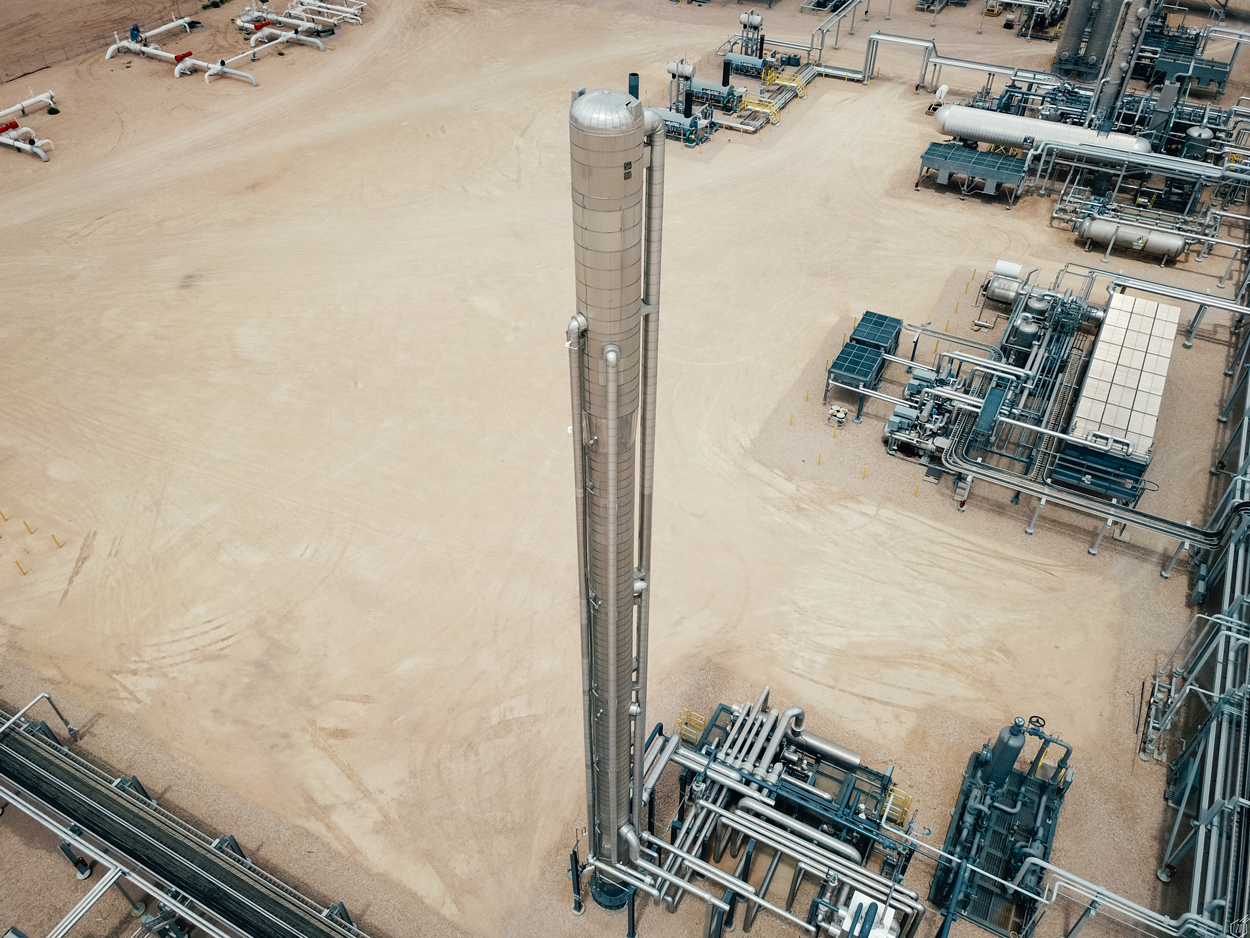
BCCK’s Greg Hall explains how BCCK’s NiTech® Nitrogen Rejection Unit (NRU) was designed to remove nitrogen from methane gas collected from landfill sites, supporting the production of saleable natural gas for multiple applications.

Landfill gas is generated as a natural result of the decomposition of organic material in landfill sites via evaporation of volatile organic compounds, chemical reactions between waste components and microbial action. Landfill gas is composed of approximately 50% methane and 50% CO2, along with trace amounts of other organic compounds and is therefore the third largest source of methane generation in the United States. Because of the potential impact on climate change, the U.S. Clean Air Act of 1990 required that many large landfill sites install gas collection and control systems, requiring facilities to collect the landfill gas they produce.

In the United States, the number of landfill gas capture projects is increasing significantly, adopted in large part to minimize energy costs and reduce greenhouse gas emissions. Once the methane gas is collected and treated, it can be used for electricity generation or processed into pipeline quality natural gas by removing various contaminants and components before being sold offsite. In this way, landfill gas is transformed into a renewable natural gas resource.

The Need for Nitrogen Removal

The system associated with gathering landfill gas operates in a vacuum, pulling in nitrogen, oxygen, and other contaminants from the atmosphere. Since nitrogen is considered an inert gas, it is essential to remove it from the associated, more valuable methane to ensure a more marketable and saleable natural gas that can be used for multiple applications. Once processed, the natural gas passes into a sales pipeline operated by natural gas companies and ultimately sold to an end user.

A landfill reacts to changes in atmospheric, or ‘barometric’ pressure. For instance, on stormy, high-pressure days, there can be an observable swing in the quality and quantity of methane extracted from the site. In these higher-pressure conditions, methane is more difficult to extract. If operators do not pay heed to changes in barometric pressure and keep pulling the gas to the same extent that they do on a low-pressure day, they run the risk of over-pulling, and killing the microbes that generate the methane at a micro level. By introducing a process of dynamic tuning that reacts to changes in barometric pressure, landfill gas operators can adjust their vacuum pressures and flows accordingly.

BCCK specializes in nitrogen rejection, helium recovery, carbon dioxide removal and sequestration, coalmine methane and oxygen removal. The company is well known for its patented NiTech® technology, deployed in the form of nitrogen rejection units (NRUs). Although the process of removing the nitrogen from landfill gas is not a particularly new one, BCCK’s high efficiency NiTech® NRUs maximize the methane recovery, and minimize the horsepower, equipment and footprint required to achieve it. Increasingly, BCCK is embarking upon the “green” initiative of promoting a renewable resource by placing NiTech® NRUs in renewable natural gas applications, which has the potential to deliver more economical solutions for landfill sites across the United States.

Klickitat Renewable Natural Gas Project

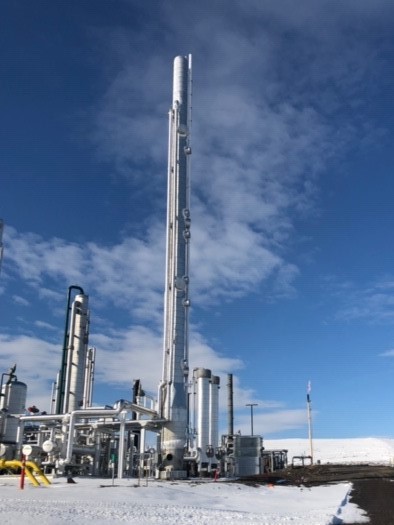
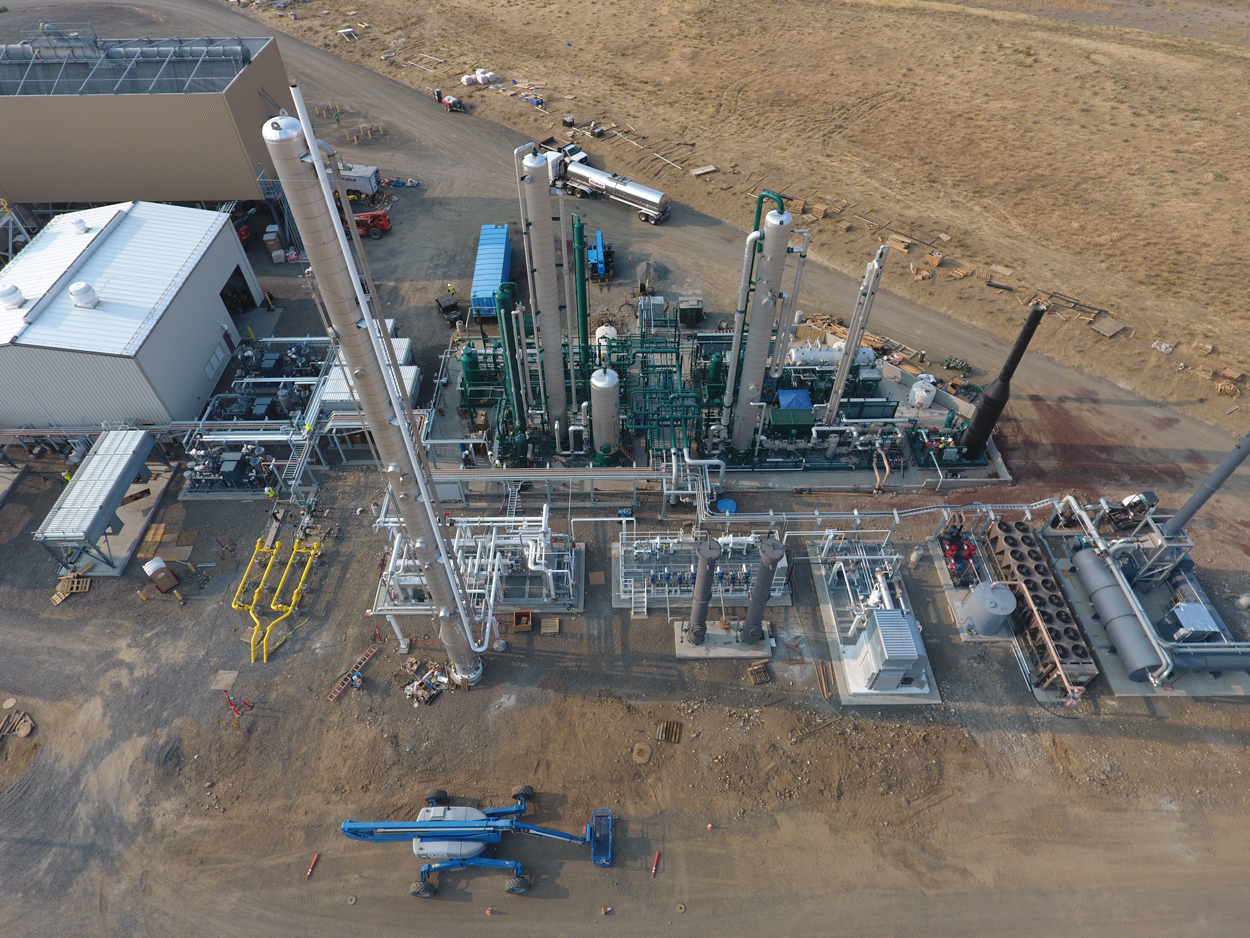
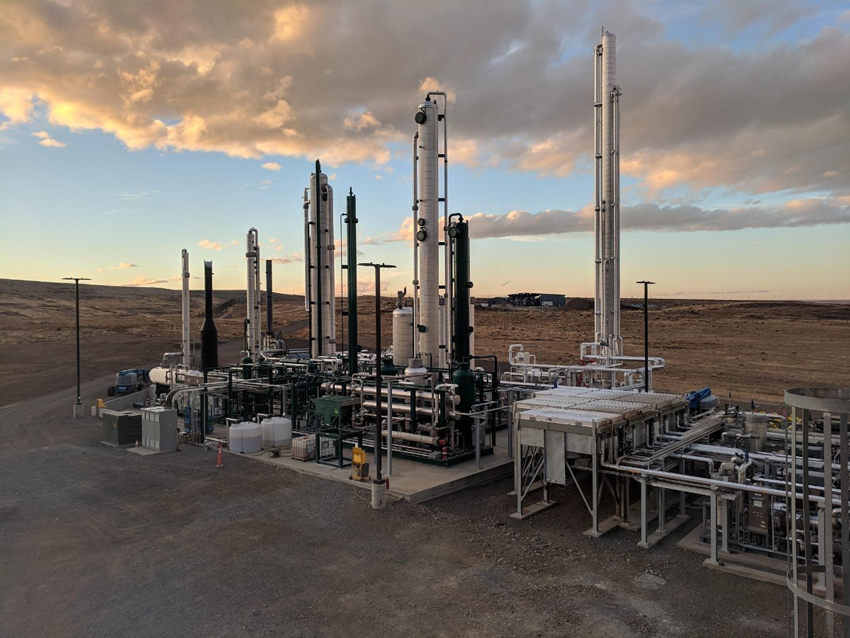
In 2018, Washington State’s Klickitat Public Utility District selected BCCK’s NiTech® nitrogen Rejection Unit (NRU) to perform a key role in transforming landfill gas into nearly 100% pure renewable natural gas at the H.W. Hill Renewable Natural Gas Facility, located at the Roosevelt Regional Landfill in Klickitat County. The NiTech® NRU for Klickitat was designed to remove nitrogen from methane gas collected from the landfill, processing 7.2 MMSCFD of gas and recovering 99.5%+ of the methane as a saleable product. A dehydration system in front of the NRU dehydrates from the upstream solvent process. After passing through the NRU, the biogas will be received at the Williams Northwest Pipeline interconnection. In a partnership between Klickitat and BP, BP is allocated a designated amount of the gas with the rest passing through to the open market. Currently, Puget Sound Energy (PSE) receives an estimated 550,000 dekatherms per year of the gas allowing their natural gas customers the option of renewable natural gas.

Klickitat’s plant operator, Leonard Swift, has operated landfill gas plants, engines, and turbines for 20 years. Commenting on the NRU used in the Klickitat project, he said, “BCCK’s NRU is truly a ‘set it and forget it’ machine. There are so few moving parts that once it has been set to run, it is virtually hands-free. At one point, because of the barometric pressure change in the area, we were experiencing too much nitrogen coming into the plant. For several days, we were seeing up to 10.5 % of nitrogen in the landfill gas, when usually we would expect to see less than 7 or 8%. Even when other parts of the plant struggled during this time of increased nitrogen influx, I never had to worry about the NRU not functioning to maximum efficiency.”

The project duration was approximately 40 weeks and BCCK was proud to play such an important role in the gas upgrading of a landfill to a high BTU landfill gas plant, which is contributing to lowering greenhouse gas emissions.

Spotlight on the Technology

Most nitrogen rejection technologies typically associated with landfills are not economically scalable to the larger landfills, require more compression, and have lower recoveries than what can be provided by the NiTech® process. BCCK’s NiTech® NRUs feature a simple process design comprised of only a few major components, which requires minimal operator attention, provides a smaller footprint, and provides an overall more efficient and cost-effective solution when compared to other technologies.

There have been several revisions to BCCK’s NiTech® process design over the past three decades. Today, the latest Style IV design features a new, modular skidded design that allows greater flexibility with respect to compositional changes or flow capacity changes than ever before. With improved efficiencies on residue gas compression, NiTech® Style IV can be modified to produce LNG from the incoming gas and can be customized to extract any incoming helium. With lower required horsepower compression and higher recovery, NiTech® is a simple, flexible, and efficient NRU.

The NiTech® technology is not constrained by low mole % nitrogen, which prevents a recycle stream and the associated increased OPEX costs. The NRU can process inlet gas to less than 1.0 mole %, allowing BCCK to slipstream and reduce both CAPEX and OPEX to the benefit of the customer. The ability to handle flexible and higher mole % nitrogen in gas is important to meeting downstream pipeline specification and the fact that the NiTech® process emits no non-methane VOCs makes it an environmentally friendly solution.

The Future of Landfill Renewable Natural Gas

Landfill renewable natural gas projects are becoming increasingly common, with Eastern Europe being particularly fast on the uptake of such techniques to maximize profits, reduce waste and improve the environmental credentials of landfill sites. In the United States, landfill renewable natural gas projects are categorized as “renewable” projects, therefore government subsidies and carbon credits are available to help make the projects even more economically attractive.

The renewable natural gas projects that are undertaken at landfill sites across the United States are contributing toward global efforts to reduce greenhouse gas emissions and currently offset approximately 2 million tons (short tons) per year of coal – the equivalent of the energy needs of 400,000 homes. As a result of BCCK’s proven successful track record within cryogenic gas processing and specifically nitrogen rejection over the past 40 years, BCCK has to date built 30 NRUs for 30 various applications, ranging in processing capacity from 3 MMSCFD – 100 MMSCFD of gas. Although each unit is centered on the core NiTech® design, each facility has its own unique challenges due to differing gas compositions, flow rates and operating conditions.

BCCK aims to expand its NiTech® NRUs to landfills across the United States, further highlighting its proven technology and ability to deliver fewer footprint and compression requirements in terms of horsepower, at reduced CAPEX to alternative solutions on the market.

Whereas most landfill applications occupy the small to mid-size range of 3 – 20MMSCFD of gas, BCCK has experienced a significant uptick in requests for NRUs for high BTU plants across the United States. Archaea Energy is the latest project developer to enter a contract with BCCK for an NRU on the Keystone Sanitary Landfill Site, north east of Philadelphia, Pa. This new project, which is scheduled for start-up in Q2 or Q3, 2021, will be one of the largest in the world at 2.5 times bigger than the Klickitat project, with approximately 20MMSCFD of gas passing through the NRU.

In conclusion, going back to the Klickitat project, Klickitat’s Leonard Swift reflected, “All of the operators have great things to say about BCCK’s NRU. Since landfill gas is the latest, greatest thing going for the renewable energy market and a gold mine in terms of return on investment, the NiTech® NRU provides a great opportunity for other landfills and project developers.”

Project Photo Gallery

renewable energy solutions
renewable_energy_solutions
previous arrow
next arrow
renewable_energy_solutions
landfill_gas
Klickitat
landfill_gas_project
NRU_unit
bcck_nitrogen_rejection
nruproject
nitrogen_rejection_units
nru_unit_project
previous arrow
next arrow

Thank you for requesting access to this case study. We hope you found it informative. To learn more about BCCK’s experience, please contact us.

Methane Emissions and Landfill Gas

For years environmental experts warned of the importance of reducing our carbon footprints, but there’s a new chemical threat that’s far more dangerous: methane. Methane emissions are more than 80 times more potent than carbon dioxide. That makes them a major contributor to global warming and air pollution. Methane emissions are also linked to significant respiratory illnesses and death. Landfills are the country’s third-largest source of methane gas emissions, but BCCK Holding Company has the solution.

Our wellhead to pipeline total solution ensures the most cost-efficient plant design without the need for multiple contractors. As an engineering, processing, and construction (EPC) provider, we can create turnkey landfill gas processing plants to help your business control its methane emissions.

What Creates Methane?

Methane comes from a variety of sources. The chemical gas is emitted as waste breaks down in landfills. Fossil fuels from coal, oil, and gas production are roughly 95% methane. Methane is also emitted during the storage and transport of these resources. Methane production is a common byproduct of domestic and industrial wastewater treatment. Composting and anaerobic digestion, including natural emissions from livestock, also contribute to the country’s methane gas crisis.

How Can Industrial Businesses Reduce Methane Emissions?

Industrial businesses should consider ways to reduce their methane gas emissions to be good corporate citizens. Any measures they take should be careful to respect the business’s financial and operational goals. Upgrading the equipment that produces, stores, and transports oil and gas is an effective strategy that reduces many of the leaks that put methane into the atmosphere. Methane from coal mines can also get captured and repurposed for energy.

BCCK Holding Company’s Landfill Gas Capabilities

BCCK Holding Company can create a landfill gas processing plant that captures the methane that would normally pollute the atmosphere and uses it to benefit your business, energy users, and the communities you serve. After collection and treatment, methane can get used for onsite electricity generation or made into pipeline quality natural gas.

Benefits of a Landfill Gas Processing Plant

Capturing the methane reduces your facility’s greenhouse gas emissions. This makes the air in your local area cleaner and safer. It also helps offset the use of any non-renewable resources in your operation. Our turnkey landfill gas processing plants can also help your business comply with the U.S. Clean Air Act of 1990.

A BCCK Holding Company landfill gas processing plant can also help your business grow. Repurposed methane can provide a new revenue stream for your organization or reduce your business’s energy costs. A landfill gas processing plant can also create new jobs within your organization.

BCCK Holding Company’s Class-Leading Technology

Large landfill gas projects benefit from BCCK Holding Company’s patented NiTech Nitrogen Rejection Unit. This innovative unit allows for safe nitrogen removal, which delivers the best methane recovery performance in its class. Employing this unit can help you monetize up to 4% more methane than any other technology.

A Wide Range of Emission Reduction Solutions

Landfill gas services are just some of the many methane emission reduction solutions we offer at BCCK. If you want to reduce your methane emissions, talk to us about the many options. Together we can develop the right strategy for your needs and budget.

At BCCK Holding Company, we take the time to get to know our clients and create customized EPC solutions that suit their needs and budgets. Complete our contact form to learn more about how BCCK Holding Company can help your business become more profitable, sustainable, and safe.

BCCK Expands and Hires in The Woodlands, Texas

BCCK’s expansion in the Houston area is a key marker in the company’s growth strategy, increasing BCCK’s ability to service both existing and future markets. A new office is up and running in The Woodlands.

Complementing the company’s capabilities already in place at the corporate headquarters in Midland, Texas, the new office is enabling BCCK to create more jobs in the engineering, project management, design and inside sales disciplines, and the prime office location is helping BCCK to increase the global reach for its patented technology.

Lucia Cheung
Don Tyler

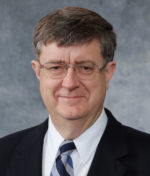
Recently, BCCK has appointed Don Tyler as Director of Engineering who will spearhead the development of a fully disciplined engineering capability in The Woodlands. Don has more than 40 years of combined engineering, design, project and discipline management experience in the natural gas processing, industrial wastewater treatment, power, paper and chemical processing industries. He has been involved in more than 40 domestic and international natural gas liquids (NGL) and liquid petroleum gas (LPG) recovery and liquefied natural gas (LNG) projects with a range of engineering firms. He co-invented five NGL recovery patents, as well as inventing the geothermal energy patent, “Subsurface Well Completion System Having a Heat Exchanger” (U.S. Patent 8,672,024 B2).

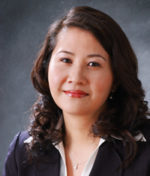
Furthermore, BCCK has also appointed Lucia Cheung as Proposal Manager, responsible for introducing and implementing all proposal procedures, based at the new office. Cheung has more than 20 years of engineering, business development, finance and project execution experience across the oil and gas, chemicals, pharmaceutical and manufacturing industries. Her extensive experience includes projects in the United States, United Arab Emirates, Kuwait, Indonesia and Singapore.

For more information on how our Woodlands or Midland teams can help you, give us a call on 1-800-922-2599 to schedule a meeting with a BCCK representative to discuss your needs.

Get the Best of Both Worlds with C2R-Flex

BCCK’s patented technology, C2R-Flex™, is an NGL extraction process that allows for maximum margins for the customer, despite the ethane liquid market.   If the recovered component of ethane is negative in value when sold as a liquid product compared to the BTU value of ethane, then the producer will want to reject the ethane component from the NGL product while maximizing the recovery of propane and heavier components. Conversely, if the ethane component is positive in value when sold as liquid product, then the producer will want to maximize the recovered ethane in the NGL product.

C2R-Flex™ was introduced to the market as a truly unique, highly economical technology that offers the best of both worlds. C2R-Flex™ works efficiently in ethane rejection as well as ethane recovery, with minimal conversion time required to convert from one operational configuration to the other.

C2R-Flex™ benefits extreme operating conditions. In the case of ethane rejection, C2R-Flex™ enables users to reject down to approximately 2% of ethane in the product while still retaining over 98% of propane recovery. In ethane recovery mode, C2R-Flex™ can retain over 98% of ethane and 100% of the propane.   The transition between one operating mode to the other can be accomplished quickly with no additional equipment required. This option enables frequent operational mode changes, if desired, assuring maximum profitability.

BCCK’s C2R-Flex™ technology can effectively operate in three modes:

  • In ethane recovery mode:   Over 98% ethane and near 100% of all heavier products
  • In ethane rejection mode, option 1:   Ethane recovery of less than 2% and 98% plus for propane using auxiliary propane refrigeration
  • In ethane rejection mode, option 2:  Ethane recovery of less than 2% and 98% plus for propane without using auxiliary propane refrigeration.  Note that this option will require additional residue compression as compared to option 1.

As C2R-Flex™ proved itself as a unique and flexible process solution for both ethane recovery and ethane rejection at a competitive price. In 2018, BCCK entered into an engineering, procurement and construction (EPC) contract with Discovery DJ Services (Discovery) for delivery of a 225 MMSCFD gas plant in Weld County, Colorado, U.S., more than doubling Discovery’s processing capacity.

To find out more about how C2R-Flex™ can benefit your upcoming project, call us at 1-800-922-2599 to schedule a meeting with a BCCK representative to discuss your needs.

NiTech® Style III: Simple, Flexible, Efficient

BCCK designed NiTech® as a nitrogen rejection technology that eliminates cryogenic rotating equipment and allows for a wide variation of inlet nitrogen concentrations. Cryogenic rotating equipment is consistently responsible for facility downtime and excessive operating expense due to its high power consumption and maintenance requirements.

Furthermore, NiTech® features a simple process design requiring minimal operator attention comprising only five major components. This reduces capital costs (CAPEX) and delivery time when compared to conventional technology. The success of the flagship NiTech® NRU in Oregon prompted the installation of 28 additional NiTech® facilities in the domestic United States. Although each unit is centered on the core NiTech® design, each facility has unique challenges due to differing gas compositions, flowrates and operating conditions.

During the 25-year history of NiTech®, there have been three major revisions to the process design. Style III represents a new design that allows greater flexibility with respect to compositional changes or flow capacity changes than ever before. With better efficiencies on residue gas compression, NiTech® Style III is a highly competitive addition to the marketplace. It can be modified to produce LNG and can be customized to extract incoming helium and NGL’s from the inlet gas stream. In addition, where methane emissions are critical, the base NiTech III unit can be configured with a vent stream purifier to reduce the vented methane to extremely low levels.  With the purifier installed, the vented stream would contain between 0.1 and 0.2 percent methane.

NiTech® technology is not constrained by low mole % nitrogen gas streams and does not require a nitrogen recycle stream costing additional capital and operating expenses (OPEX). NiTech® can process inlet gas to less than 1.0 mole %, allowing BCCK to slipstream and reduce a customer’s CAPEX and OPEX requirements. The ability to handle higher mole % nitrogen in gas is important in meeting downstream pipeline specification and the fact that the NiTech® process emits no non-methane volatile organic compounds (VOCs) makes it an environmentally friendly solution, achieving 99% or greater hydrocarbon recovery.

As a result of BCCK’s proven successful track record with the technology, in 2018, Navitas Midstream Midland Basin, LLC, chose to incorporate a second NiTech® Style III in the construction of a nitrogen rejection unit (NRU) in West Texas. The unit is designed to process natural gas with concentrated nitrogen on the residue of a new cryo plant.

+To find out more about the NiTech® process, benefits and see a selection of NRU facility photos.