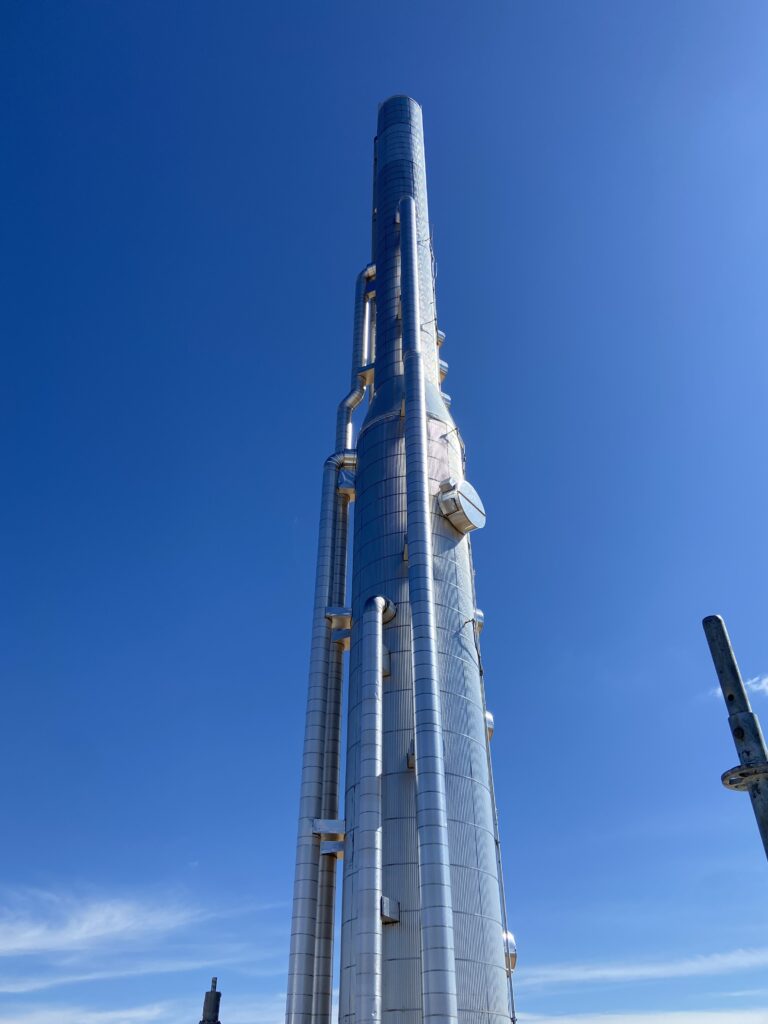
Q1: How does BCCK’s engineering capability extend beyond NRU systems?
BCCK delivers full-scope engineering across mechanical, process, civil/structural and electrical disciplines for both traditional and renewable energy markets. We engineer concept-to-completion solutions, including FEED studies, detailed design, procurement support, commissioning and startup, that optimize performance, reduce risk, and control cost.
Q2: What differentiates BCCK’s approach to full-scope project delivery?
We operate as a single-source, integrated partner. Our teams align process design with mechanical, structural and electrical systems from day one, using 3D modeling, process simulation and power system studies to eliminate clashes, right-size equipment and streamline constructability. This integration compresses schedules, improves safety and minimizes change orders during execution.
Q3: How do you tailor engineering solutions to unique project conditions?
Every design is application-specific. We fit technology to the gas composition, operating envelope, site constraints and regulatory environment. Typical tailoring includes:
Optimizing process schemes via simulation to meet recovery, emissions and energy targets.
Selecting materials and equipment for corrosion, temperature and pressure profiles.
Customizing power distribution and controls to site utility and redundancy needs.
Adapting foundations and structures to geotechnical conditions and wind/seismic loads.
Q4: What mechanical engineering capabilities do you bring to complex facilities?
Pressure vessel and heat exchanger design and specification.
Rotating equipment selection and integration (compressors, pumps, blowers).
Piping layout, flexibility and stress analysis to meet code and reduce vibration/fatigue
Skid/package design for modularization to accelerate field installation
Commissioning and startup assistance to verify performance and reliability
Q5: How does BCCK ensure process safety, efficiency and compliance?
We use rigorous process engineering methods:
Comprehensive FEED and process simulation to validate mass/energy balances
P&ID development, control narratives and safeguarding strategies
Formal participation in PHA/HAZOP and LOPA to reduce risk
Emissions and flare system considerations integrated early for compliance
KPI-driven designs focused on energy efficiency, uptime and product quality
Q6: What does civil/structural engineering include for energy facilities?
We deliver end-to-end site and structural solutions:
Site grading, drainage and stormwater management for reliable access and safety
Foundation design for equipment, pipe racks and power centers
Structural steel design and detailing for modules and buildings
Lifting, transport and modularization planning to reduce on-site risk and time
Code-compliant designs for wind, seismic, blast and frost conditions
Q7: How do you design reliable and safe electrical systems?
Our electrical engineering team ensures power integrity and protection:
Power system modeling, load flow, short circuit and arc flash studies
MCCs, switchgear, transformers and power distribution center specifications
Grounding, lighting and cable tray design for safe, maintainable installations
Integration of automation and controls for real-time monitoring and optimization
Q8: What role do controls and automation play in your projects?
BCCK designs control systems to deliver stable, energy-efficient operations:
PLC/DCS architecture, I/O definition and robust control narratives
Advanced control strategies to optimize recovery, fuel usage and uptime
Safety instrumented functions aligned with risk assessments
Operator-friendly HMI design to support safe, consistent performance
Data acquisition for analytics and predictive maintenance enablement
Q9: How do you manage procurement and maintain schedule certainty?
We align engineering with procurement from the outset:
Early equipment lists and specs to lock lead items and mitigate supply risk.
Vendor bid evaluations for performance, lifecycle cost and maintainability
Expediting and document control to keep submittals and drawings synchronized
Modularization strategies to shift work offsite and compress field durations
Q10: In which markets do you apply these capabilities beyond NRUs?
We support a broad range of applications:
Natural gas processing and NGL recovery
Landfill gas upgrading and RNG interconnects
Hydrogen blending and purification systems
LNG mid-scale facilities and peak-shaving
Power integration for brownfield and greenfield sites
Q11: How do you ensure safety and regulatory compliance throughout?
Compliance is built into our workflow:
Designs aligned with ASME, API, NFPA, IEC/NEC and local codes
Documented PHA/HAZOP actions, SIS verification and arc flash labeling
Emissions, flare and environmental permitting support
Construction readiness, site safety planning and commissioning checklists
Q12: What outcomes can clients expect when partnering with BCCK?
Maximized operational efficiency via integrated, right-sized designs
Reduced CAPEX and OPEX through modularization and energy optimization
Higher uptime and reliability with predictive and preventive design choices
Seamless regulatory compliance and improved safety performance
On-schedule, on-budget delivery with a single accountable partner
Q13: How do we get started?
BCCK is ready to hear your process targets, feed composition, site constraints and schedule. We’ll develop a FEED or concept package that defines scope, performance guarantees, cost and schedule and a clear path to execution Beyond the NRU and across your project lifecycle.
Q1: What construction services does BCCK provide “Beyond the NRU”?
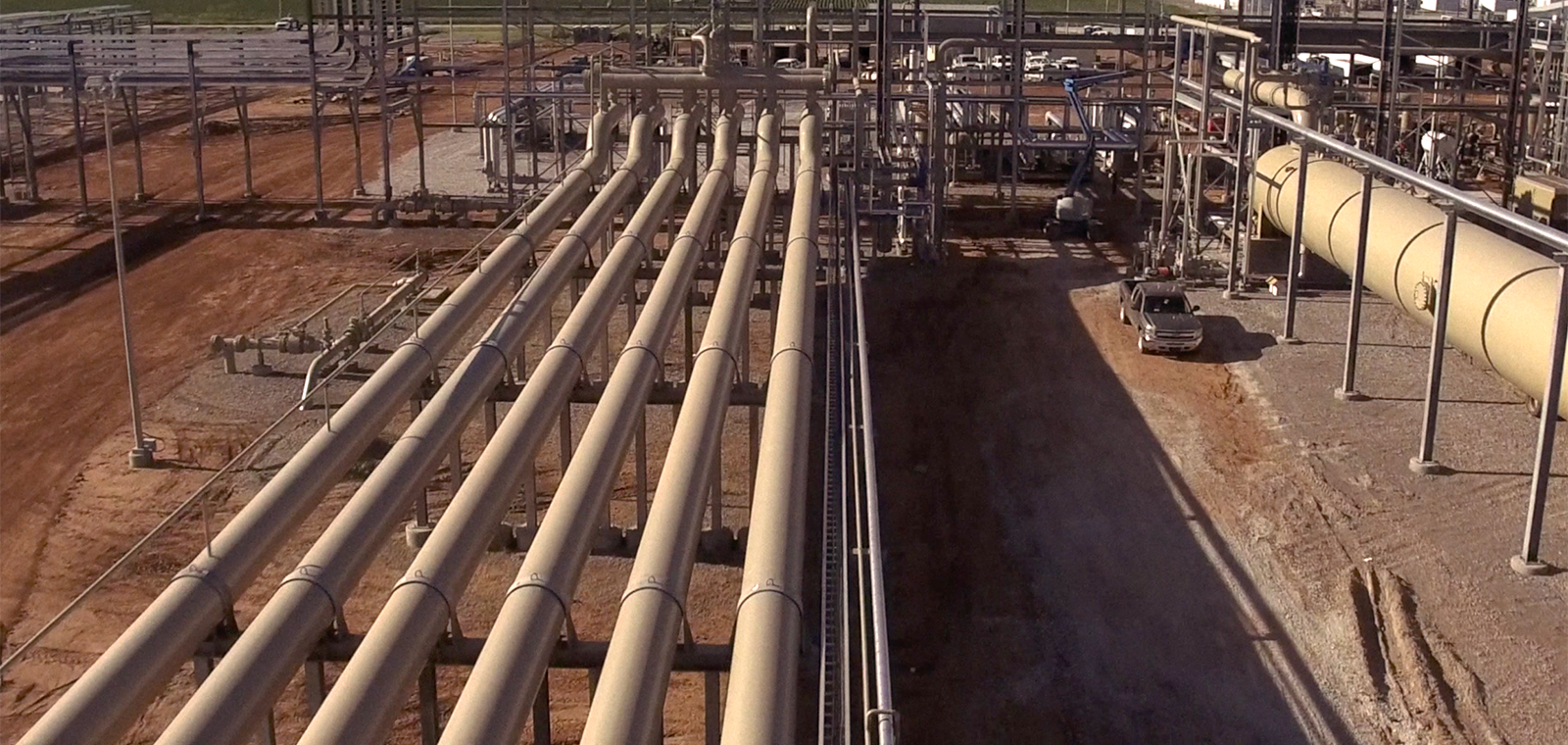
BCCK delivers full-scope facility construction across oil and gas, renewable energy, mining, and water treatment. Services span civil engineering, structural steel and pipe fabrication/installation, construction management, full turnkey plant installation, equipment setting, pressure testing, electrical and instrumentation, QA/QC documentation, plant maintenance, and complete commissioning/shutdown support.
Q2: How does BCCK manage complex EPC projects from start to finish?
As an EPC provider, BCCK aligns engineering, procurement, and construction under one accountable team. We handle planning and estimating, project controls, subcontractor and safety management, fabrication integration, field execution, and turnover—reducing interfaces, improving coordination, and keeping projects on schedule and budget.
Q3: Which types of facilities can BCCK construct in the energy sector?
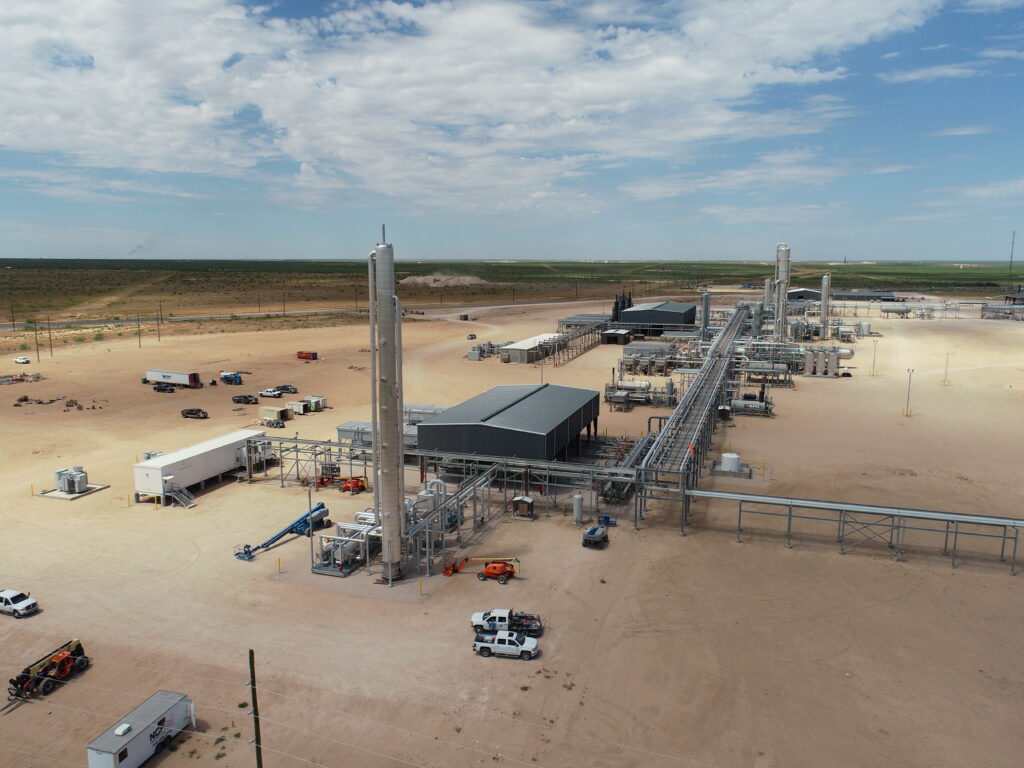
Midstream and processing facilities: compressor stations (turbine and reciprocating), cryogenic plants, amine treating, stabilizers, cold boxes, meter stations, gathering/production facilities, tank farms, and pump stations.
Renewable gas sites: compression and generation, membranes, cryogenic units, digesters, dehydration, amine treating, and DeOxo systems.
Q4: What specialized construction capabilities does BCCK offer outside of oil and gas?
Mine process facilities: conveyors, process systems, steam and utility piping, methane treating, pumping systems, leaching equipment and piping.
Water treatment: digesters, bioreactors, blowers, filters, and pumps.
Q5: How does BCCK ensure safety on every jobsite?
Safety is embedded in planning and execution. We provide dedicated safety management, comply with applicable regulations, conduct site-specific safety planning, and maintain rigorous QA/QC and document control to protect people, assets, and the community.
Q6: What steps does BCCK take to deliver on time and within budget?
We set clear scopes and schedules early, integrate fabrication to reduce field hours, manage critical paths and subcontractors, and maintain accurate reporting and inventory control. This disciplined approach minimizes rework and helps meet milestones reliably.
Q7: How does BCCK handle civil, structural, and mechanical scopes in the field?
Our teams execute civil works (site grading and foundation placement), set structural steel, fabricate and install piping, and install major equipment such as vessels, skids, and compressors. We coordinate pressure testing and ensure coatings, insulation, and access are completed to spec for efficient operations.
Q8: What role does QA/QC and documentation play in BCCK projects?
BCCK manages material traceability, inspection and test plans, welding and pressure test records, and turnover data books. Inventory and document control provide transparency and make audits, permitting, and operations handover straightforward.
Q9: How does BCCK support commissioning and startup?
We prepare detailed commissioning plans, execute system walkdowns and testing, and complete final safety inspections. Our team brings systems online in a controlled sequence to verify performance and ensure a smooth transition to operations.
Q10: Why choose BCCK as a single-source construction partner?
With immediate access to in-house engineering and fabrication, BCCK mobilizes the right resources when needed. This integrated model improves coordination, reduces scope gaps, and delivers cost-effective, high-quality facilities across the full project lifecycle.
How can LNG producers overcome the challenges of nitrogen while optimizing operations and guaranteeing safety? The answer lies in Nitrogen Rejection Units (NRU), a critical component for ensuring the efficiency, safety and reliability of modern LNG facilities. Nitrogen presents serious issues that impact the heating value, liquefaction process, storage and transportation safety of LNG. Left unchecked, these challenges can elevate costs and create environmental and operational risks. Nitrogen must be reduced to less than 1% in LNG intended for export, as higher levels lower the heating value of the gas and create many operational challenges.
The Nitrogen Challenge in LNG
1. Increasing Nitrogen Content in Feedstock
The typical pipeline limits are 3 to 4% nitrogen, but have historically been much lower in the U.S., closer to 0.5 to 1%. Growing U.S. basins like the Permian produce natural gas feedstock with higher nitrogen levels closer to the pipeline limits, which are well above the 1% required for LNG, forcing LNG producers to act. Failing to address this discrepancy between the pipeline and LNG transportation nitrogen specifications will result in downstream inefficiencies in the liquefaction process and storage disruptions, which can leave facilities unable to meet regulatory and export standards. NRUs offer a scalable solution to this growing challenge.
2. High Nitrogen Content Weakens LNG Efficiency and Value
The liquefaction process becomes less efficient for facilities handling gas with high nitrogen content, increasing operational and energy costs. As the nitrogen concentration increases, the boiling point of the gas lowers, which requires the liquefier to produce LNG at a lower temperature to maintain an acceptable boil-off gas rate. The lower the liquefaction temperature, the more power must be consumed by the liquefaction process to achieve the temperature.
3. Serious Risks with Rollover and Auto-Stratification
Elevated nitrogen levels can cause dangerous phenomena like rollover or nitrogen-induced auto-stratification when storing or transporting LNG. Rollover occurs when stratified layers of LNG with differing densities suddenly mix, leading to rapid vapor release and pressure surges that compromise operational and storage safety.
BCCK’s NiTech® NRU Technology: Setting the Industry Standard
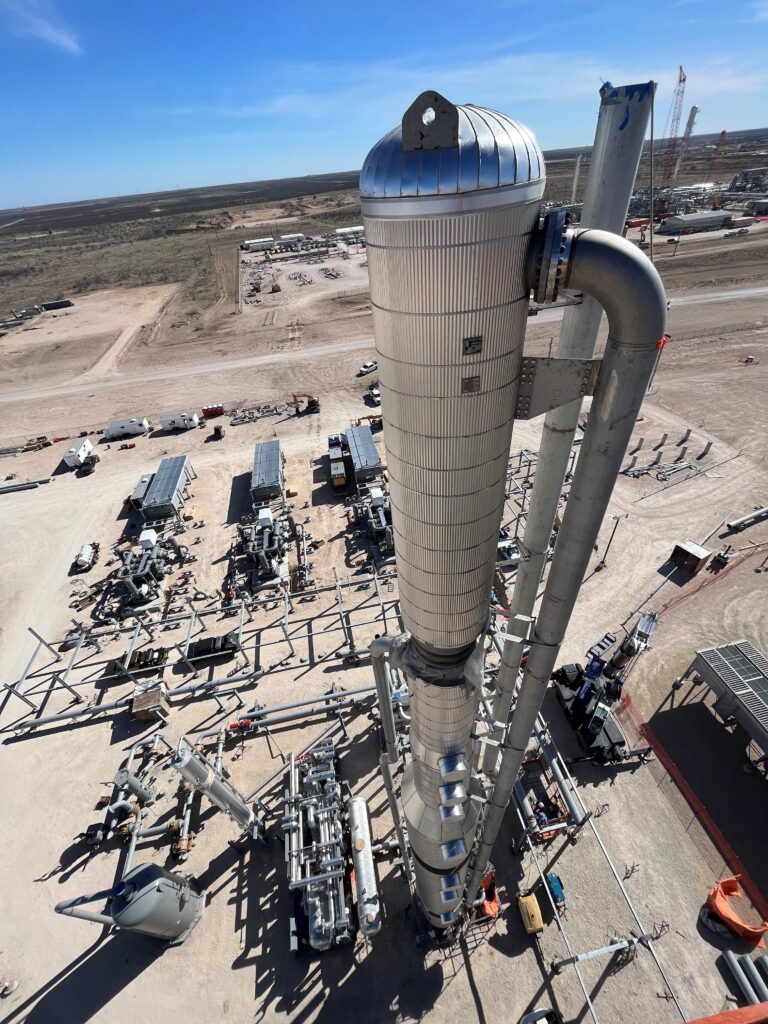
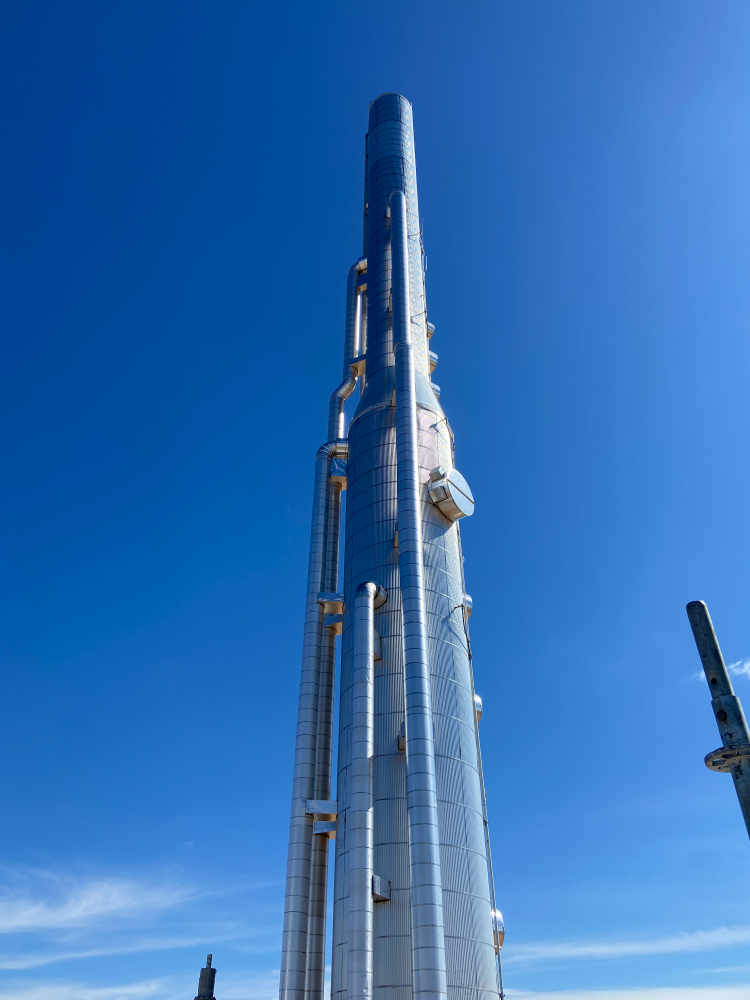
For decades, BCCK’s NiTech® NRUs have been the gold standard in nitrogen rejection technology for facilities upstream of LNG operations. Past solutions have been provided for flow rates as low as 5 MMSCFD to over 500 MMSCFD. With over 40 NRUs in operation, NiTech® systems are a proven, scalable technology ready to solve the challenges of the LNG industry.
Why the NiTech® NRU Leads the Market
NiTech® NRUs maximize methane recovery while requiring lower energy consumption, reducing processing costs and boosting profitability.
NiTech® NRUs Ultra Low Methane (ULM) enhancements achieve ppm methane levels in the overhead vent, helping operators comply with EPA and global environmental regulations.
Decades of real-world use prove BCCK’s systems exceed operational performance benchmarks, providing LNG producers peace of mind.
The NiTech® design requires a smaller footprint than competing systems.
The robust NiTech® technology can be implemented all along the LNG supply chain.
1. Upstream NRUs
Positioning an NRU upstream of an LNG plant ensures feedstock meets the required nitrogen content before entering the liquefaction process. This approach reduces bottlenecks, increases the LNG plant’s efficiency and removes equipment from the regulatory environment of an export facility.
2. Retrofitting Existing LNG Plants
Adding an NRU to an operational LNG facility alleviates nitrogen-related issues and can be accomplished with minimal downtime. This approach is generally more cost-effective than an NRU upstream of the LNG plant.
3. New LNG Facility Integration
Integrating an NRU into the design stage, as part of the liquefaction process or handling boil-off gas, ensures long-term compliance and operational excellence from day one for greenfield projects. This will generally result in the most efficient process design compared to retrofits.
The Future of LNG Relies on Smarter, Cleaner Nitrogen Solutions
The LNG export industry has expanded rapidly, particularly on the U.S. Gulf Coast. However, the rise of high-nitrogen feedstocks creates the need for efficient, low CAPEX nitrogen removal solutions in large-scale projects. Failure to adapt to this reality puts facilities at risk of failing to meet production rates.
At BCCK, we understand that every facility has unique challenges. You can rely upon us to bring unmatched expertise, cutting-edge technology and innovative designs to ensure your LNG production thrives in the face of modern complexities.
Partner with BCCK for Comprehensive Nitrogen Rejection Solutions
If you’re striving for safer operations, enhanced efficiency and compliance with global standards, BCCK’s NiTech® NRU technology is the answer.
Contact us today for a consultation and discover how we can tailor a solution to meet your facility’s precise needs. Optimize your operations. Safeguard your investments. Take the next step in Large-Scale LNG excellence with BCCK.
NiTech® Nitrogen Rejection Units (NRUs) are engineered to effectively separate nitrogen from hydrocarbons across diverse applications. These systems are widely used in the oil and gas industry, biogas processing and LNG facilities. With three primary configurations—single column, dual column and ULM (Ultra Low Methane) models—NiTech® NRUs offer tailored solutions for varying operational needs. This article explores the unique features, technical differences and applications of each NiTech® NRU style to help you determine the best fit for your project.
The Core Process Behind NiTech® NRUs
All NiTech® NRUs incorporate cryogenic distillation, a highly efficient method for separating nitrogen from hydrocarbons. This process relies on auto-refrigeration, where feed gas is cooled to cryogenic temperatures using various internal process streams, eliminating the need for auxiliary coolant systems. Using heat integration, NiTech® NRUs reduce operational costs and maintain system efficiency.
It is important to note that NRUs do not eliminate all nitrogen from the gas stream. Depending on the application, these systems aim to reduce nitrogen content while maintaining acceptable vent purity levels, adding operational precision and efficiency.
NiTech® NRU Styles
Single Column NRUs
Key Features:
Compact design with lower upfront capital investment.
Operates efficiently for low flow rates and lower nitrogen compositions.
Commonly used for smaller-scale applications, such as biogas from landfills or coalbed methane processing.
Applications: Single-column systems are ideal for small-scale projects that prioritize simplicity and lower cost of entry. Organizations in need of moderate nitrogen removal typically choose this style.
Advantages:
Simple design and easy maintenance.
A cost-effective option for operators with less stringent vent purity requirements.
Limitations:
Limited capacity to handle high flow rates or nitrogen concentrations.
May not meet strict environmental regulations for methane slip in specific applications.
Dual Column NRUs
Key Features:
Two columns for enhanced separation performance.
Capable of processing higher nitrogen compositions and higher inlet flow rates.
Mixes efficiency and scalability for most gas processing needs.
Applications:
Dual-column systems are versatile and well-suited to gas plants with moderate flow rates and intermediate nitrogen levels. They balance cost, efficiency and performance.
Advantages:
Higher throughput compared to single-column systems.
Meets a broader range of nitrogen composition requirements.
Technical Difference:
Some dual-column NRUs on the market treat all gas streams in both columns, which results in higher equipment and energy costs. NiTech®‘s approach focuses on treating the bulk gas in the first column, with only a smaller stream processed in the second column. This design lowers capital costs and reduces operational complexity without compromising performance.
ULM (Ultra Low Methane) NRUs
Key Features:
Advanced design tailored for stringent vent purity requirements.
Reduces methane loss to fugitive emission levels.
Applications:
ULM systems are commonly used in LNG export facilities and other operations requiring strict compliance with government and federal environmental regulations. These applications involve high flow rates, meaning any fraction of methane recovery lost is several tons per year, making ULM systems essential for maximizing methane recovery and reducing emissions.
Advantages:
Best-in-class methane recovery, minimizing greenhouse gas emissions.
Meets or exceeds the strictest regulatory standards.
Limitations:
Higher initial capital costs due to the system’s complexity and advanced features.
Choosing the Right NiTech® NRU Style
When selecting the appropriate NRU style, there are several critical factors to consider:
Inlet Flow Rate
The magnitude of gas flow significantly influences NRU design.
Low flow rates (<10 MMSCFD) align better with single-column systems.
Moderate flow rates (10-200 MMSCFD) perform optimally in dual-column systems depending on nitrogen composition.
High flow rates (>200 MMSCFD) are typically suited for ULM systems, especially in LNG facilities.
Nitrogen Composition
Nitrogen content in the feed gas determines the required separation capacity:
For moderate compositions (<10%), single or dual-column systems are cost-effective options.
Higher compositions (10-15%) often necessitate dual-column systems with enhanced design considerations.
When vent purity is critical (e.g., LNG export standards), ULM systems are the preferred solution.
Regulatory Compliance
If compliance with federal or state regulations—such as minimizing methane emissions—is a key concern, choosing a ULM system ensures the highest standards. If there is any concern about future regulations for methane, then it is recommended that the NRU be “future-proofed.” This consists of adding process connections and implementing equipment modifications to accommodate a future retrofit to the ULM-style NRU.
Operational Considerations
Factors like startup/downstream processes, onsite power availability and system maintenance also play a role. BCCK’s NiTech® NRUs are designed to balance capital expenditure (CAPEX) and operational expenditure (OPEX), offering customized solutions tailored to client goals.
Understanding Auto-Refrigeration in NiTech® NRUs
NiTech® NRUs rely on auto-refrigeration. By eliminating the need for auxiliary refrigeration loops in most cases, NiTech® NRUs reduce capital costs and system complexity. The auto-refrigeration design effectively pre-cools gases for the cryogenic distillation process, leading to unmatched efficiency in separation.
However, operators must account for the time required to cool down the system during commissioning or after extended shutdowns. Depending on initial conditions, NiTech® NRUs require 1-2 days on average to achieve full operational capacity.
BCCK’s Differentiator: Experience and Expertise
Over the years, BCCK has played a pivotal role in designing and commissioning NRUs for various industries worldwide. With over 41 operational units and handling billions of cubic feet of gas daily, BCCK has built a reputation for delivering accurate, efficient and reliable solutions.
Unlike competitors, our expertise is built on operating experience, not simulation models alone. We incorporate actual facility data and implement lessons learned after every successful project for all future designs to ensure long-term system reliability and ease of operations. Providing clients with peace of mind that their systems will operate optimally in real-world conditions.
Selecting the proper NiTech® NRU configuration is vital to achieving operational efficiency, maintaining compliance and minimizing costs. With its suite of single-column, dual-column and ULM models, BCCK offers tailored solutions for various applications.
Our experience and attention to detail ensure that your system operates as expected, delivering value from day one.
Are you curious to learn more? Contact a BCCK engineer today to find out how we can support your project with the right NiTech® NRU solution for your needs.
BCCK Senior Process Engineer Brennan Heiser’s expert insights on Emissions Data & Control have been featured in the March issue of the American Oil & Gas Reporter!
This piece explores actionable strategies for managing emissions while achieving broader operational goals. It’s an essential read for those looking to stay ahead in an industry increasingly focused on environmental performance and sustainability.
The U.S. Environmental Protection Agency (EPA) recently issued proposed regulations that will sharply reduce emissions of methane from oil and natural gas operations, signaling a heightened focus on environmental sustainability and emissions control. Under these regulations, facilities emitting over 25,000 metric tons of CO₂ will be subject to annual Waste Emissions Charges (WEC), aimed at incentivizing reductions in methane emissions and curbing harmful air pollution and waste. The EPA’s penalties, set to begin at $900 per metric ton in 2024 and escalating to $1,200 per metric ton next year, with a further increase to $1,500 per metric ton in 2026, underscore the urgency for innovative emissions control measures to ensure compliance while optimizing operational efficiency.
To help customers comply with the new EPA regulations, BCCK designed and introduced the NiTech® Ultra Low Methane (ULM), a groundbreaking nitrogen rejection unit (NRU) tailored to meet the latest regulatory guidelines. The patent-pending NiTech® ULM is designed to deliver an ultra-clean vent stream with methane levels, setting a new benchmark for methane emission mitigation in natural gas processing facilities.
With its unparalleled efficiency and emissions control capabilities, the NiTech® ULM offers a comprehensive solution to the challenges posed by the latest EPA regulations, ensuring that natural gas processing facilities can achieve compliance while maximizing operational efficiency and environmental sustainability.
We use cookies on our website to give you the most relevant experience by remembering your preferences and repeat visits. By clicking “Accept”, you consent to the use of ALL the cookies.
This website uses cookies to improve your experience while you navigate through the website. Out of these, the cookies that are categorized as necessary are stored on your browser as they are essential for the working of basic functionalities of the website. We also use third-party cookies that help us analyze and understand how you use this website. These cookies will be stored in your browser only with your consent. You also have the option to opt-out of these cookies. But opting out of some of these cookies may affect your browsing experience.
Necessary cookies are absolutely essential for the website to function properly. These cookies ensure basic functionalities and security features of the website, anonymously.
Cookie
Duration
Description
cookielawinfo-checkbox-analytics
11 months
This cookie is set by GDPR Cookie Consent plugin. The cookie is used to store the user consent for the cookies in the category "Analytics".
cookielawinfo-checkbox-functional
11 months
The cookie is set by GDPR cookie consent to record the user consent for the cookies in the category "Functional".
cookielawinfo-checkbox-necessary
11 months
This cookie is set by GDPR Cookie Consent plugin. The cookies is used to store the user consent for the cookies in the category "Necessary".
cookielawinfo-checkbox-others
11 months
This cookie is set by GDPR Cookie Consent plugin. The cookie is used to store the user consent for the cookies in the category "Other.
cookielawinfo-checkbox-performance
11 months
This cookie is set by GDPR Cookie Consent plugin. The cookie is used to store the user consent for the cookies in the category "Performance".
viewed_cookie_policy
11 months
The cookie is set by the GDPR Cookie Consent plugin and is used to store whether or not user has consented to the use of cookies. It does not store any personal data.
Functional cookies help to perform certain functionalities like sharing the content of the website on social media platforms, collect feedbacks, and other third-party features.
Performance cookies are used to understand and analyze the key performance indexes of the website which helps in delivering a better user experience for the visitors.
Analytical cookies are used to understand how visitors interact with the website. These cookies help provide information on metrics the number of visitors, bounce rate, traffic source, etc.
Advertisement cookies are used to provide visitors with relevant ads and marketing campaigns. These cookies track visitors across websites and collect information to provide customized ads.