Q1: What construction services does BCCK provide “Beyond the NRU”?
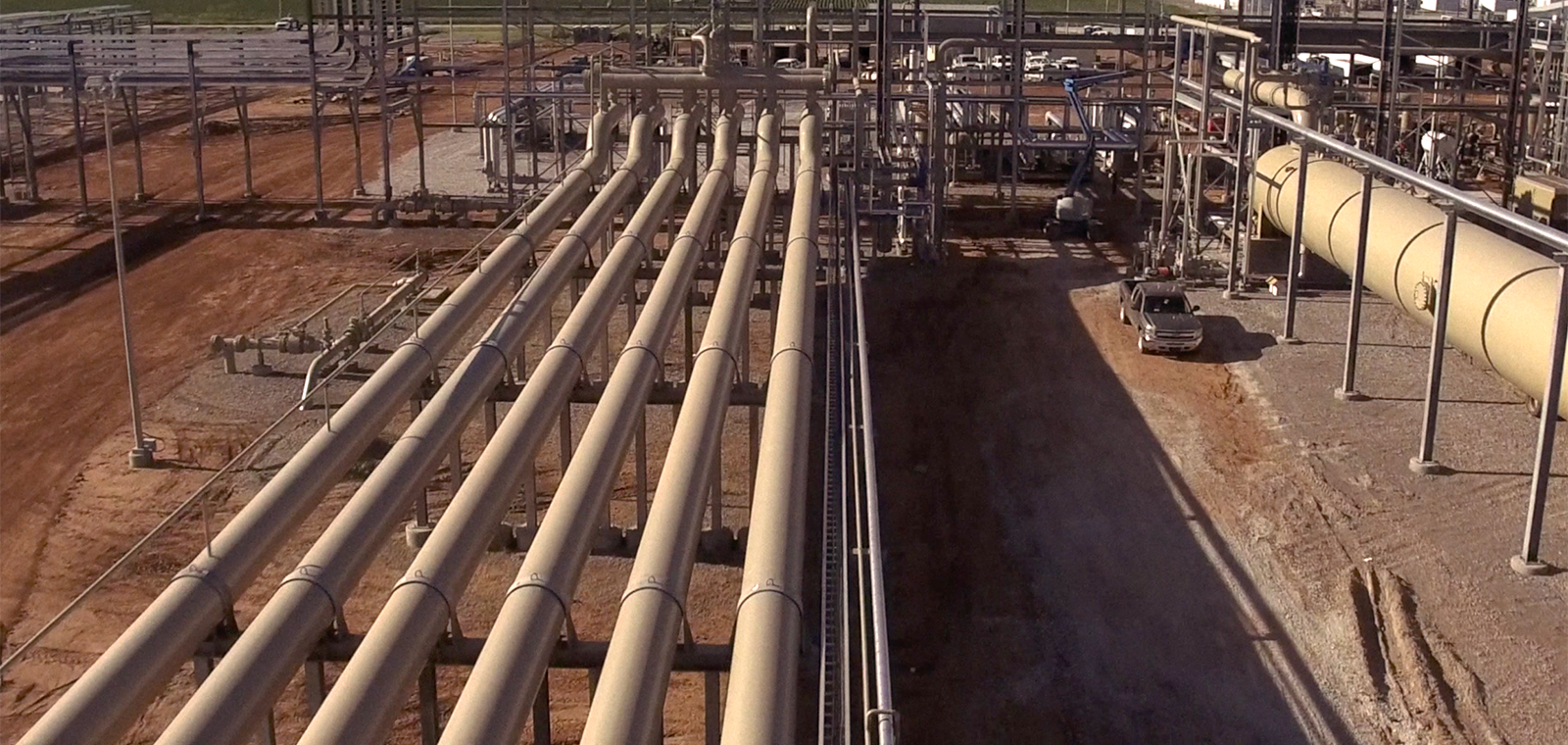
BCCK delivers full-scope facility construction across oil and gas, renewable energy, mining, and water treatment. Services span civil engineering, structural steel and pipe fabrication/installation, construction management, full turnkey plant installation, equipment setting, pressure testing, electrical and instrumentation, QA/QC documentation, plant maintenance, and complete commissioning/shutdown support.
Q2: How does BCCK manage complex EPC projects from start to finish?
As an EPC provider, BCCK aligns engineering, procurement, and construction under one accountable team. We handle planning and estimating, project controls, subcontractor and safety management, fabrication integration, field execution, and turnover—reducing interfaces, improving coordination, and keeping projects on schedule and budget.
Q3: Which types of facilities can BCCK construct in the energy sector?
- Midstream and processing facilities: compressor stations (turbine and reciprocating), cryogenic plants, amine treating, stabilizers, cold boxes, meter stations, gathering/production facilities, tank farms, and pump stations.
- Renewable gas sites: compression and generation, membranes, cryogenic units, digesters, dehydration, amine treating, and DeOxo systems.
Q4: What specialized construction capabilities does BCCK offer outside of oil and gas?
- Mine process facilities: conveyors, process systems, steam and utility piping, methane treating, pumping systems, leaching equipment and piping.
- Water treatment: digesters, bioreactors, blowers, filters, and pumps.
Q5: How does BCCK ensure safety on every jobsite?
Safety is embedded in planning and execution. We provide dedicated safety management, comply with applicable regulations, conduct site-specific safety planning, and maintain rigorous QA/QC and document control to protect people, assets, and the community.
Q6: What steps does BCCK take to deliver on time and within budget?
We set clear scopes and schedules early, integrate fabrication to reduce field hours, manage critical paths and subcontractors, and maintain accurate reporting and inventory control. This disciplined approach minimizes rework and helps meet milestones reliably.
Q7: How does BCCK handle civil, structural, and mechanical scopes in the field?
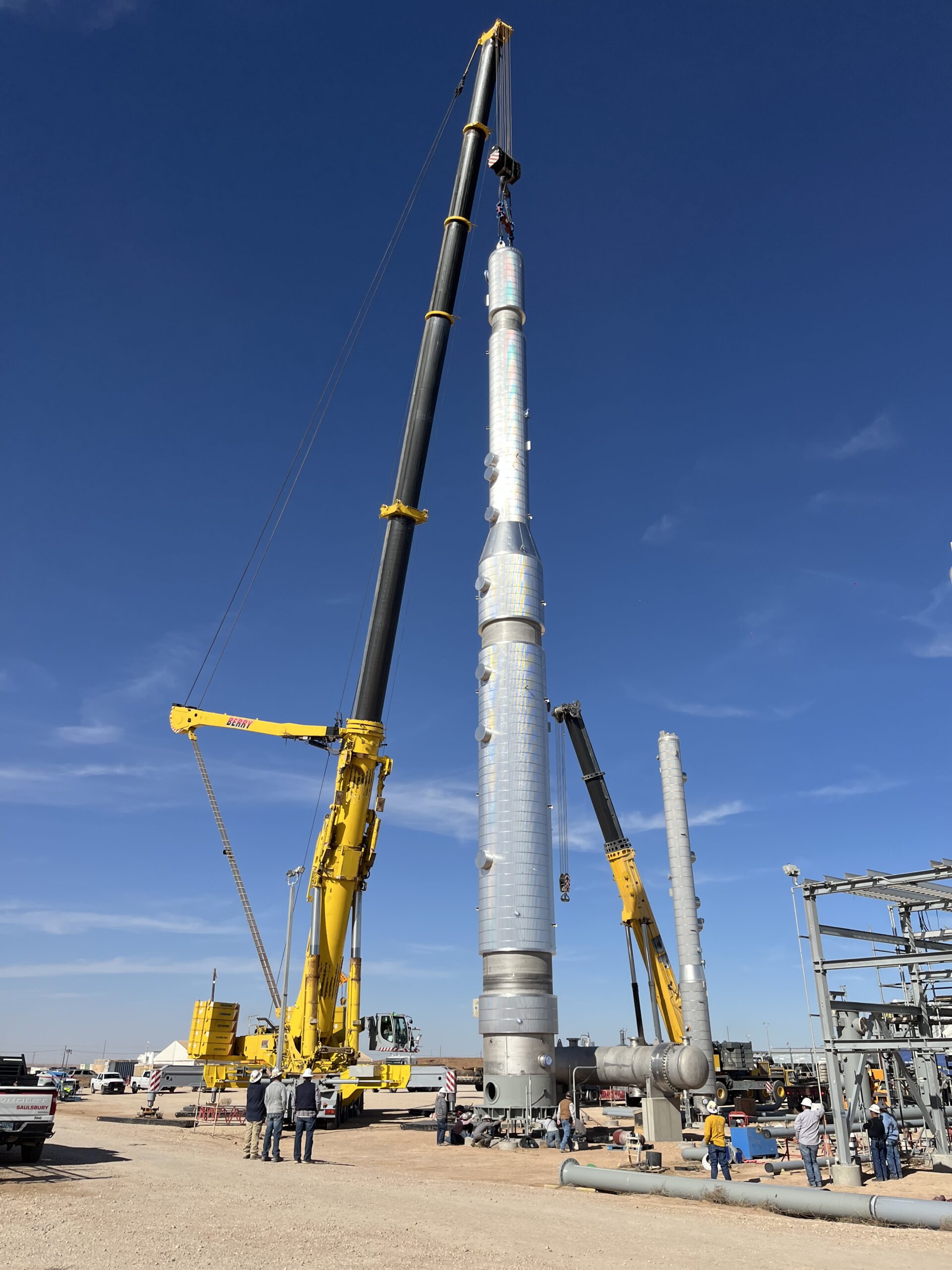
Our teams execute civil works (site grading and foundation placement), set structural steel, fabricate and install piping, and install major equipment such as vessels, skids, and compressors. We coordinate pressure testing and ensure coatings, insulation, and access are completed to spec for efficient operations.
Q8: What role does QA/QC and documentation play in BCCK projects?
BCCK manages material traceability, inspection and test plans, welding and pressure test records, and turnover data books. Inventory and document control provide transparency and make audits, permitting, and operations handover straightforward.
Q9: How does BCCK support commissioning and startup?
We prepare detailed commissioning plans, execute system walkdowns and testing, and complete final safety inspections. Our team brings systems online in a controlled sequence to verify performance and ensure a smooth transition to operations.
Q10: Why choose BCCK as a single-source construction partner?
With immediate access to in-house engineering and fabrication, BCCK mobilizes the right resources when needed. This integrated model improves coordination, reduces scope gaps, and delivers cost-effective, high-quality facilities across the full project lifecycle.
How can LNG producers overcome the challenges of nitrogen while optimizing operations and guaranteeing safety? The answer lies in Nitrogen Rejection Units (NRU), a critical component for ensuring the efficiency, safety and reliability of modern LNG facilities. Nitrogen presents serious issues that impact the heating value, liquefaction process, storage and transportation safety of LNG. Left unchecked, these challenges can elevate costs and create environmental and operational risks. Nitrogen must be reduced to less than 1% in LNG intended for export, as higher levels lower the heating value of the gas and create many operational challenges.
The Nitrogen Challenge in LNG
1. Increasing Nitrogen Content in Feedstock
The typical pipeline limits are 3 to 4% nitrogen, but have historically been much lower in the U.S., closer to 0.5 to 1%. Growing U.S. basins like the Permian produce natural gas feedstock with higher nitrogen levels closer to the pipeline limits, which are well above the 1% required for LNG, forcing LNG producers to act. Failing to address this discrepancy between the pipeline and LNG transportation nitrogen specifications will result in downstream inefficiencies in the liquefaction process and storage disruptions, which can leave facilities unable to meet regulatory and export standards. NRUs offer a scalable solution to this growing challenge.
2. High Nitrogen Content Weakens LNG Efficiency and Value
The liquefaction process becomes less efficient for facilities handling gas with high nitrogen content, increasing operational and energy costs. As the nitrogen concentration increases, the boiling point of the gas lowers, which requires the liquefier to produce LNG at a lower temperature to maintain an acceptable boil-off gas rate. The lower the liquefaction temperature, the more power must be consumed by the liquefaction process to achieve the temperature.
3. Serious Risks with Rollover and Auto-Stratification
Elevated nitrogen levels can cause dangerous phenomena like rollover or nitrogen-induced auto-stratification when storing or transporting LNG. Rollover occurs when stratified layers of LNG with differing densities suddenly mix, leading to rapid vapor release and pressure surges that compromise operational and storage safety.
BCCK’s NiTech® NRU Technology: Setting the Industry Standard
For decades, BCCK’s NiTech® NRUs have been the gold standard in nitrogen rejection technology for facilities upstream of LNG operations. Past solutions have been provided for flow rates as low as 5 MMSCFD to over 500 MMSCFD. With over 40 NRUs in operation, NiTech® systems are a proven, scalable technology ready to solve the challenges of the LNG industry.
Why the NiTech® NRU Leads the Market
- NiTech® NRUs maximize methane recovery while requiring lower energy consumption, reducing processing costs and boosting profitability.
- NiTech® NRUs Ultra Low Methane (ULM) enhancements achieve ppm methane levels in the overhead vent, helping operators comply with EPA and global environmental regulations.
- Decades of real-world use prove BCCK’s systems exceed operational performance benchmarks, providing LNG producers peace of mind.
- The NiTech® design requires a smaller footprint than competing systems.
>>Read our latest article, “Understanding NiTech® NRU Styles and Applications”
Application Scenarios for NRUs in LNG Facilities
The robust NiTech® technology can be implemented all along the LNG supply chain.
1. Upstream NRUs
Positioning an NRU upstream of an LNG plant ensures feedstock meets the required nitrogen content before entering the liquefaction process. This approach reduces bottlenecks, increases the LNG plant’s efficiency and removes equipment from the regulatory environment of an export facility.
2. Retrofitting Existing LNG Plants
Adding an NRU to an operational LNG facility alleviates nitrogen-related issues and can be accomplished with minimal downtime. This approach is generally more cost-effective than an NRU upstream of the LNG plant.
3. New LNG Facility Integration
Integrating an NRU into the design stage, as part of the liquefaction process or handling boil-off gas, ensures long-term compliance and operational excellence from day one for greenfield projects. This will generally result in the most efficient process design compared to retrofits.
The Future of LNG Relies on Smarter, Cleaner Nitrogen Solutions
The LNG export industry has expanded rapidly, particularly on the U.S. Gulf Coast. However, the rise of high-nitrogen feedstocks creates the need for efficient, low CAPEX nitrogen removal solutions in large-scale projects. Failure to adapt to this reality puts facilities at risk of failing to meet production rates.
At BCCK, we understand that every facility has unique challenges. You can rely upon us to bring unmatched expertise, cutting-edge technology and innovative designs to ensure your LNG production thrives in the face of modern complexities.
Partner with BCCK for Comprehensive Nitrogen Rejection Solutions
If you’re striving for safer operations, enhanced efficiency and compliance with global standards, BCCK’s NiTech® NRU technology is the answer.
Contact us today for a consultation and discover how we can tailor a solution to meet your facility’s precise needs. Optimize your operations. Safeguard your investments. Take the next step in Large-Scale LNG excellence with BCCK.
BCCK, a leading technology solutions provider and full-service EPC firm, is now hiring an experienced mechanical engineer to join our team!
Job Title: Mechanical Engineer
General Purpose: Responsible for the design, specification, and conformance of mechanical equipment and materials across a variety of company projects. The Mechanical Engineer will be involved in multiple projects simultaneously, each at different stages of completion. The Mechanical Engineer is expected to perform most job functions with minimal technical assistance and work under the general supervision of the Director of Mechanical Engineering.
Responsibilities:
- Conceptual and detailed specification or design of mechanical equipment including, but not limited to, pumps, compressors, and expanders
- Develops and maintains spreadsheet tools for detailed design of equipment and systems required for contracted work
- Utilizes software tools such as Compress to perform ASME section VIII pressure vessel design calculations
- Utilizes software tools such as Caesar for stress analysis to determine that forces on piping systems and equipment due to temperature change are within design tolerance
- Works in coordination with the design group to make modifications of the detailed design to rectify nonconformance of calculated stress forces
- Develops and review mechanical specifications for equipment pertinent to execution of the job
- Works with other engineering and design staff in the development of Piping and Instrument Diagrams (P&ID’s) for each project
- Performs system studies to ensure cohesion of mechanical equipment within systems for the design purpose
- Is familiar with appropriate company and industry codes and ensure conformance of specified systems and equipment
- Works with the Project Detail group to solicit quotations for all components from potential suppliers as predetermined by other Engineering, Design, Project Management, and this position
- Completes evaluations of returned quotations and make selections based on that evaluation and return completed evaluation forms to Project Management for review and final approval
- After final approval, provides final specifications including equipment specifications, selected vendors, pricing, and any other pertinent data to the Project Detail group for execution of the purchase of the required equipment
- Provides technical support and troubleshooting of ongoing client process operations, as required
- Participates in project meetings at the request of the Project Manager
- Prepares for daily interaction with other Engineering, Design, Project Detail, Project Managers, and fabrication personnel as well as vendors
Qualifications:
- Bachelor’s degree in Mechanical Engineering or a related field.
- Relevant experience in mechanical engineering design (experience level open; compensation commensurate with skills and background).
- Strong understanding of industry codes and standards.
- Excellent communication, problem-solving, and project management skills.
>>Learn More About BCCK’s Engineering Capabilities
Apply Now